Releases

What’s new in Recursive.

Early Access

v0.1.28 — Side chats and a smarter workspace

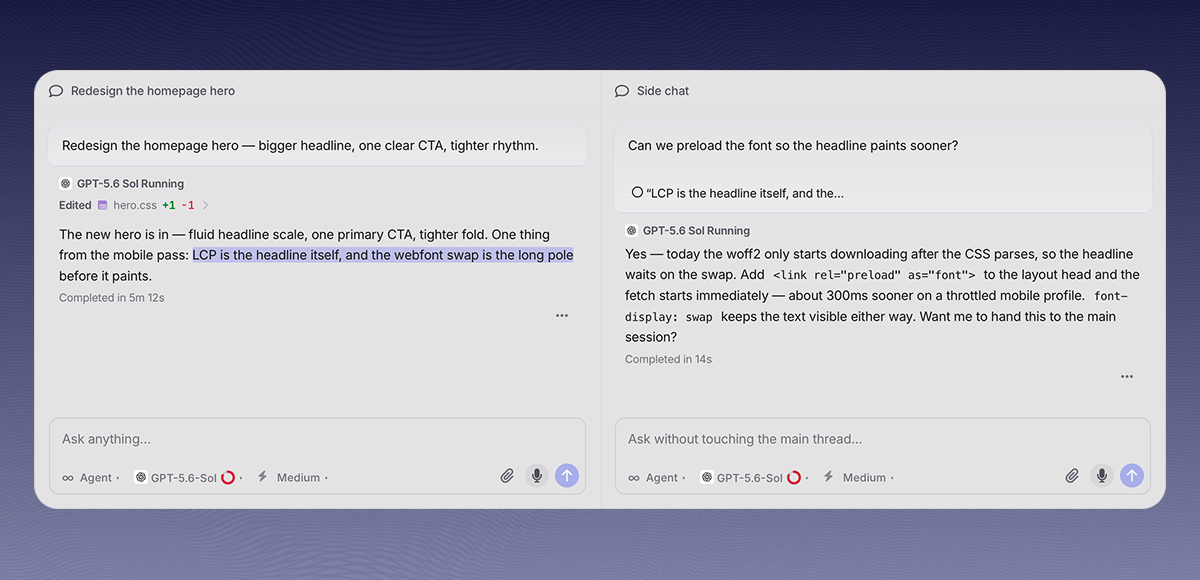
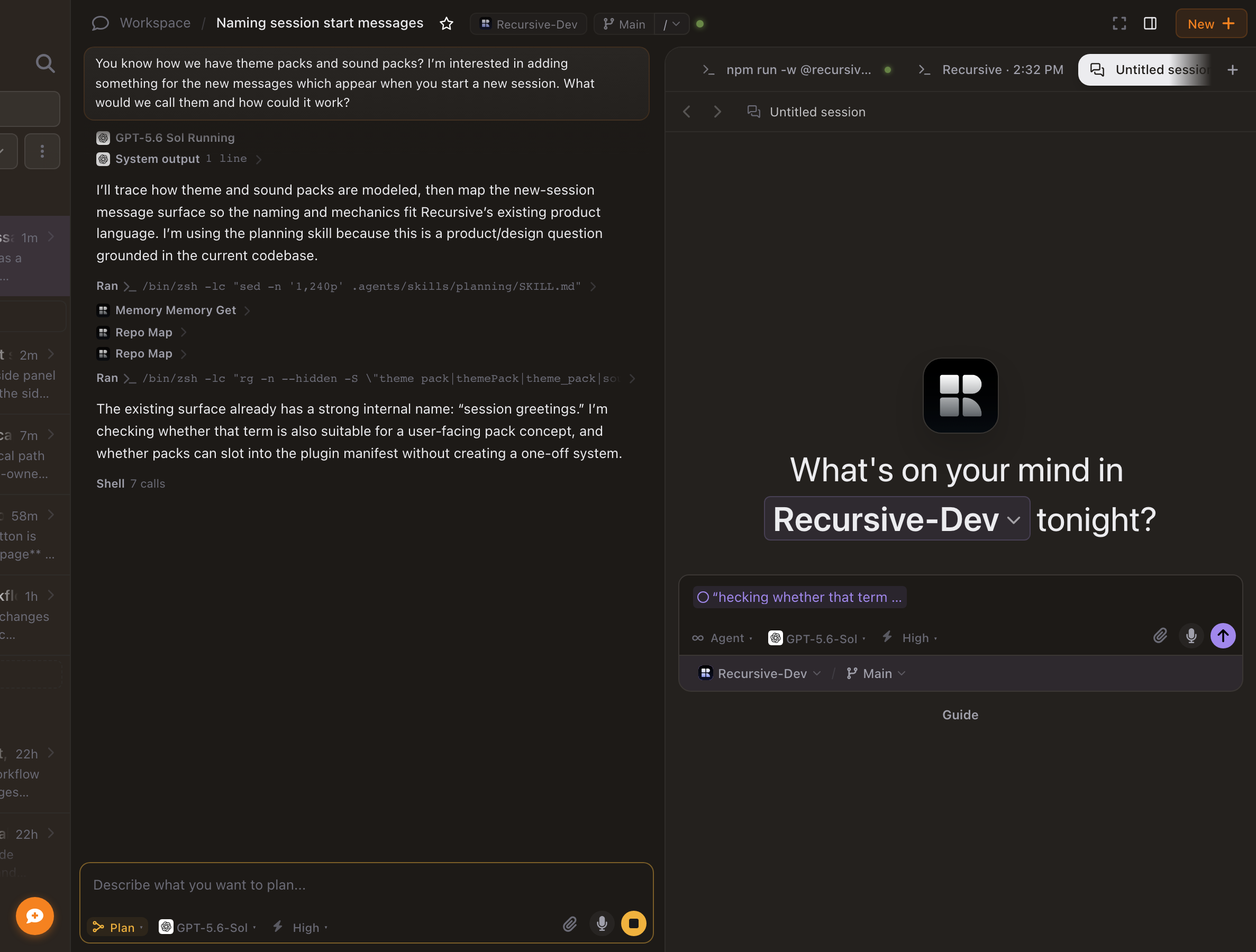
A main session chat beside a side chat branched from selected feed text

Side chats keep your main thread intact. Open a side conversation from the session chrome or spin one up from selected text in the feed. Side chats show up as their own workspace tab with a compact sessions list, so you can explore a tangent, compare two approaches, or ask a quick follow-up without losing the parent session's context.

Main session chat beside a side chat opened from selected feed text

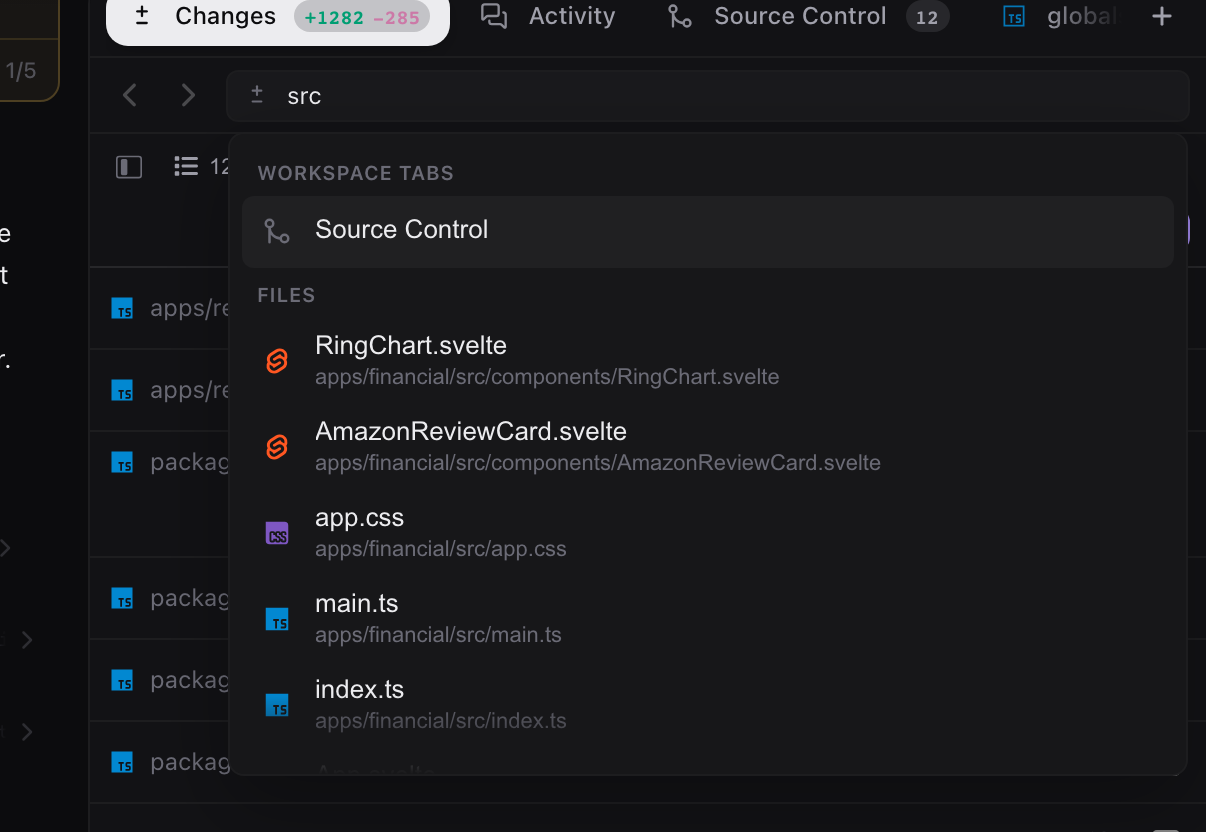
A real address bar for workspace tabs. The side panel now uses browser-style navigation across every tab type: back and forward, an editable omnibox with fuzzy suggestions, project and workspace logos in headers, and clearer catalogue icons so terminals, chats, browser panels, and plugin tabs are easy to tell apart.

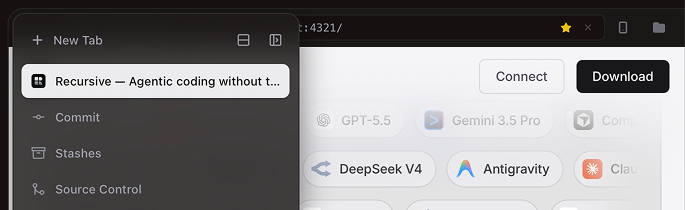
Workspace address bar with omnibox suggestions on the Changes tab

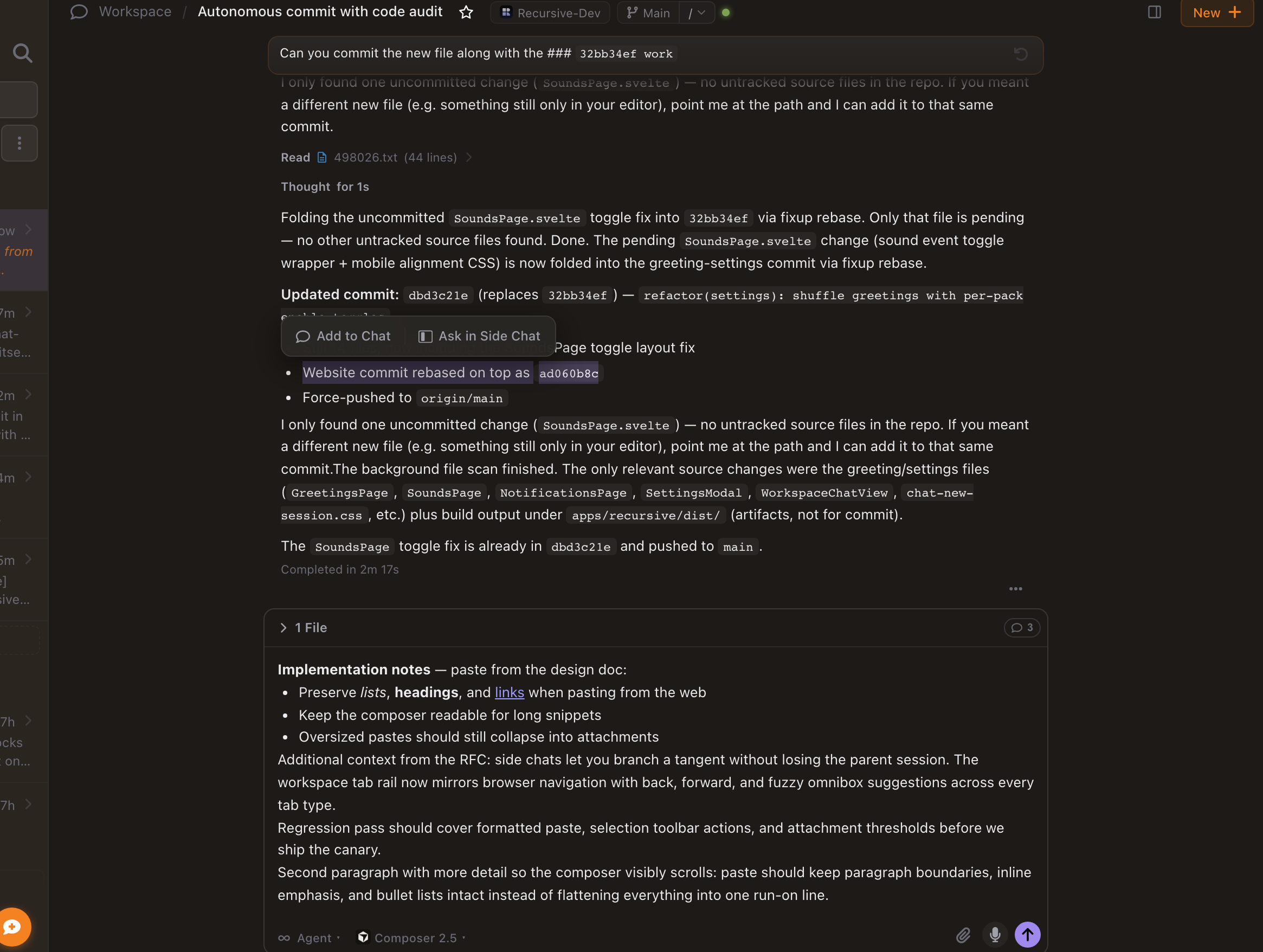
Rich paste and a selection toolbar in chat. Paste formatted notes, docs, and code with structure preserved in the composer. Highlight text in the feed and use the floating toolbar to append it to your message or open an Ask in Side Chat flow. Oversized pastes still collapse into text-file attachments so the composer stays readable.

Rich paste in the composer with feed selection toolbar for Add to Chat and Ask in Side Chat

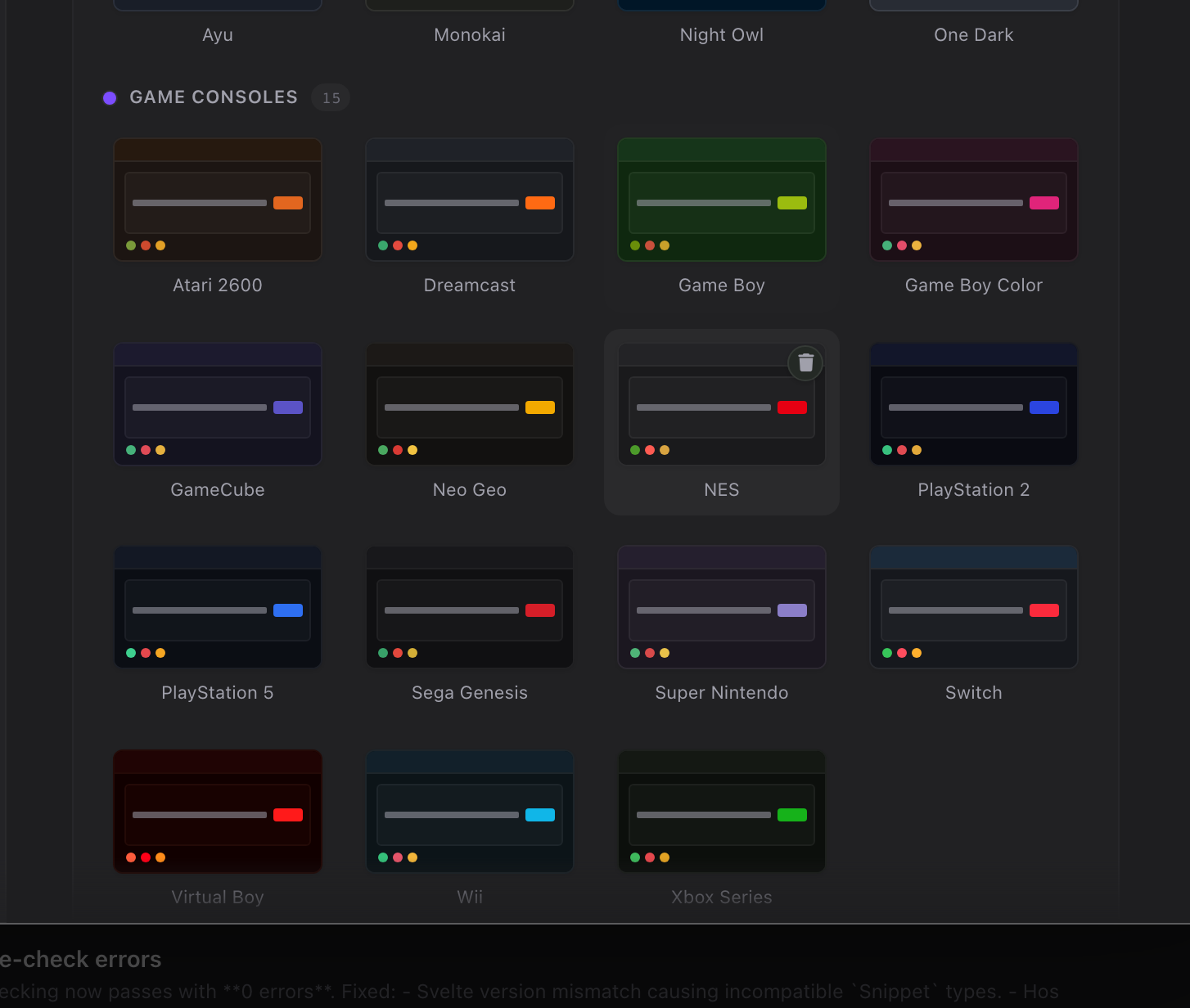
Preview theme packs before you apply. Personalize settings group themes by pack. Hover any swatch to live-preview the palette on the app chrome, then commit when it feels right — including the new game-console collection.

Theme pack previews with hover state on the Game Consoles collection

Also in this release:

  • Steer automations in conversation — describe changes in plain language on an automation's Instructions tab and work with an inline agent that updates the prompt, streams progress, and accepts follow-ups in the same panel.
  • Personalize settings and greeting packs — Appearance is now a Personalize hub with separate Themes, Sounds, and Greetings pages; plugins can ship greeting packs for empty sessions, and you can shuffle and enable packs individually.
  • See the model behind every session — agent avatars can reflect the active model, session summaries carry adapter and model details, and reopening a chat restores the model from its latest turn.
  • Plugin panels as workspace tabs — plugins can register multiple named UI panels that open beside your code, terminal, and chat tabs.
  • Capture uses the in-app browser — screenshot and UI-validation tools drive the workspace preview instead of a separate headless browser install.
  • Smarter in-app browser embed checks — Recursive preflights framing headers before loading a site and shows a clear blocked state with guidance when a page cannot be embedded.
  • Plugin tab error boundary — a crashing plugin panel shows an in-tab recovery card with retry and close actions; the rest of the app keeps running.
  • Browser tools stay on your session — agent browser commands only target the preview owned by the calling session, so one window cannot hijack another session's view.
  • Richer agent browser tools — agents get Playwright-style automation in the session-owned preview: semantic snapshots, find and fill, wait conditions, and network and console inspection.
  • Grok tool cards on ACP — Grok sessions unwrap structured tool activity more reliably when running over the Agent Client Protocol.
  • Terminals recover their live view more reliably — tab liveness is server-authoritative and streamed terminal frames resume from a sequenced cursor after a reconnect.
  • Structured tool activity for more agents — Codex, Gemini, and Grok use the Agent Client Protocol where supported, keeping tool calls and resume behavior closer to the native Recursive experience.
  • Inspect history in place — select a commit in Git Graph and open its files directly from the workspace.
  • Recursive Pro is live in the app — checkout, license activation guidance, and the billing portal are available from the relevant settings surfaces.
  • Cleaner session transcripts — internal tracing lines are filtered out of the chat feed.
  • License page layout — billing portal access moved into the Manage section for a clearer hierarchy.
  • Feature spotlight polish — release cards pin their action bar while highlights scroll, with edge shadows on long copy.
Early Access

v0.1.27 — Provider usage at a glance

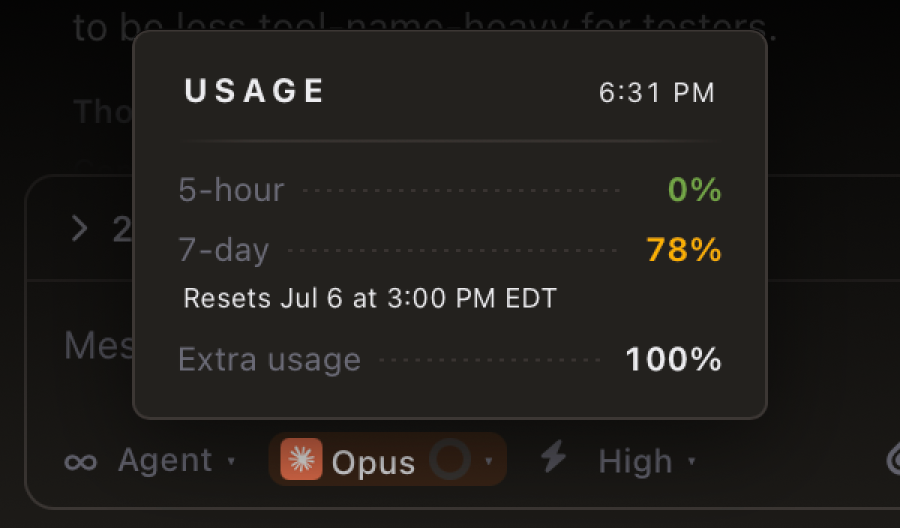
See how much runway you have left — before you pick a model. Open the model picker and each connected provider now shows a live usage ring: subscription windows, rate limits, and spend where the adapter can read them. Recursive pulls limits straight from the same OAuth sessions and API credentials your CLIs already use — Claude, Codex, Cursor, Copilot, Grok, OpenRouter, Factory, Antigravity, Kimi, and more — so you are not guessing whether you are about to hit a cap mid-session. Hover a ring for the breakdown; stale readings are flagged so you know when to refresh.

Usage popover on the model picker showing five-hour, seven-day, and extra usage limits with reset times

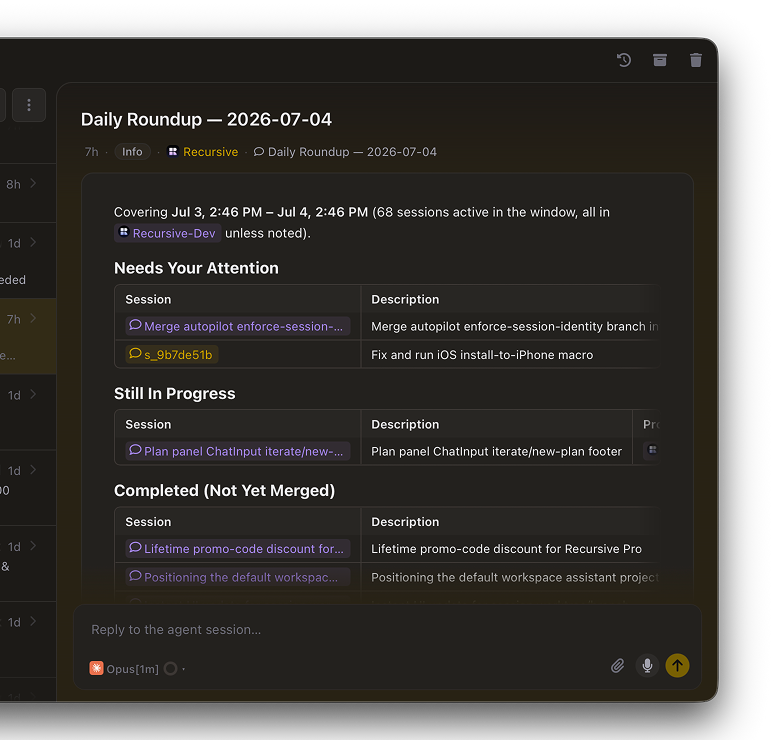
Inbox, rebuilt for decisions that actually move work forward. The inbox is now a proper split view: scan the list on the left, read the full thread on the right. Messages carry priority and badges so urgent escalations stand out from routine reviews. Actions are typed — open a session, run an allowlisted tool, or reply in place — and agents can attach a one-line description under each button so you know what you are clicking. Reply threads land back in the originating session, duplicate notifications collapse via dedupe keys, and bulk archive, resolve, and mark-read keep the queue manageable when agents are busy.

Inbox detail view for a daily roundup with session tables, project tags, and an in-place reply composer

Commit planning that splits the messy diff for you. When a session touches more than one feature — or shares plumbing files across topics — agents can call commit_plan_suggest to build an executable multi-commit plan with hunk-level attribution. Low-confidence hunks land in a shared review bucket; commit_plan_patch moves them before commit_plan_apply stages and commits one atomic changeset at a time. No more hand-rolling git add -p across interleaved edits.

Also in this release:

  • Workspace tabs, catalogued — a clearer tab strip with terminal activity indicators so you can spot a running build without opening the panel.
  • Git Graph detail — click a commit to inspect it; worktree changes stream in over SSE.
  • Session-scoped tools, locked down — MCP tools that mutate a session now reject mismatched session ids so agents cannot accidentally write to someone else's run.
Early Access

v0.1.26 — A new built-in browser

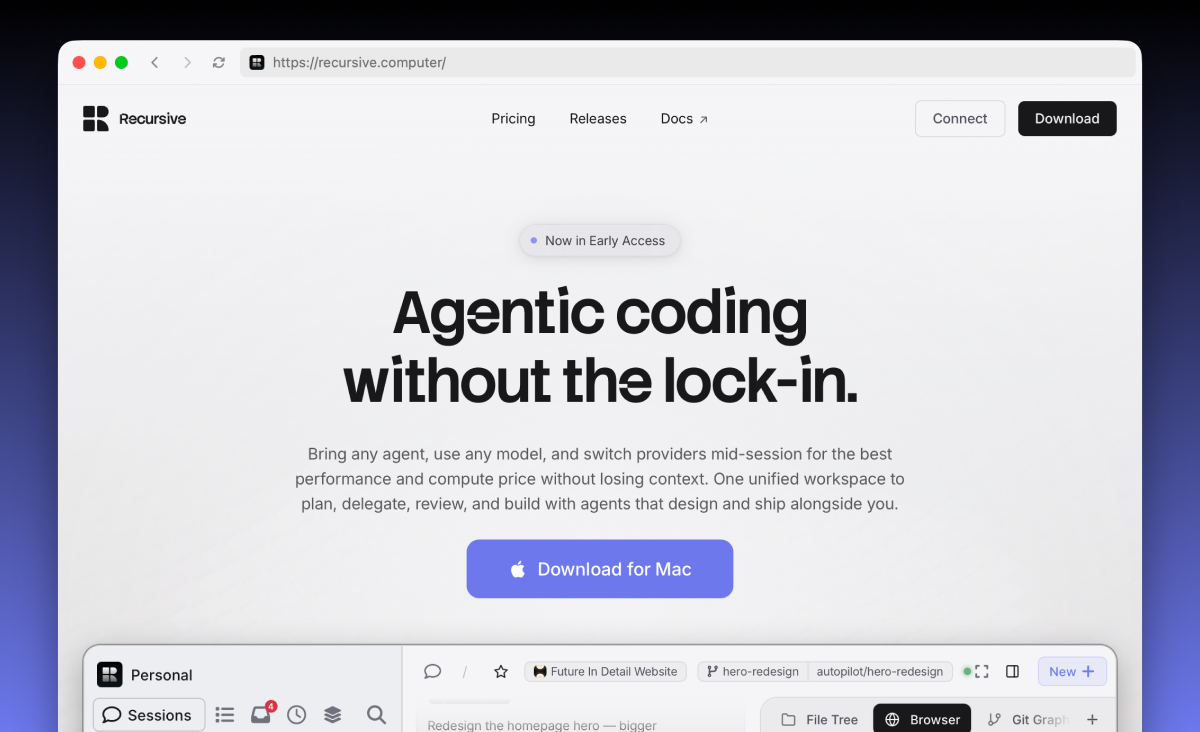
Agents now see the page they just built. When an agent changes a web project, it no longer has to guess whether the change worked — it opens the running site in its own browser window on your Mac and looks at the result. If the layout is off, a button is missing, or a link goes nowhere, the agent catches it the same way you would: by loading the page and checking. You can watch it happen in real time.

An agent-owned browser window open to recursive.computer, with the workspace Browser tab and project breadcrumbs visible while the agent validates a homepage redesign

Build, check, fix — until it's right. Seeing the page closes the loop. The agent makes a change, opens the site, reads what actually rendered, and if something's wrong it goes back and fixes it — then checks again. Instead of handing you a diff and hoping, it keeps iterating until the web build holds up against the live page.

Several builds validated at once. Run agents in parallel and each one gets its own browser window to verify its own work. One can be checking a freshly built page while another iterates on a different project — every agent validates against its own running site, with nothing crossing wires. It works on local dev servers and deployed previews alike.

Also in this release:

  • Plugins, leveled up — a formal manifest spec and plugin SDK, expanded detail panels, install gates, keychain-backed secrets, and scaffold/validate tools for authors shipping plugins.
  • Theme packs in the marketplace — browse bundled appearance themes with live palette previews before you install.
  • Sign in on mobile with a passkey — connect Recursive on your phone via a passkey handoff from the desktop app instead of scanning a QR code.
  • Worktrees named for what you're building — session folders and branches pick up readable slugs from the session title or goal instead of opaque ids.
  • OpenCode joins the lineup — set up the OpenCode CLI as an agent, just like any other provider.
  • Steadier remote sessions — connections no longer get stuck saying "Reconnecting…" forever after the app relaunches in the background.
  • Smoother connection drops — the pending-sync panel are clearer when you're waiting for data to catch up.
Early Access

v0.1.25 — New tab layouts, sound packs, and question upgrades

Tabs, the way you like them. Your workspace tabs can now sit wherever they work best for you. Keep them along the top in a familiar horizontal row, stand them up in a vertical list down the side, or tuck them away and reveal them on hover — just like your favorite browsers. Switch the layout any time; the rest of the workspace rearranges to match, so everything stays easy to find.

Workspace tabs laid out vertically down the side, revealing on hover like a browser sidebar

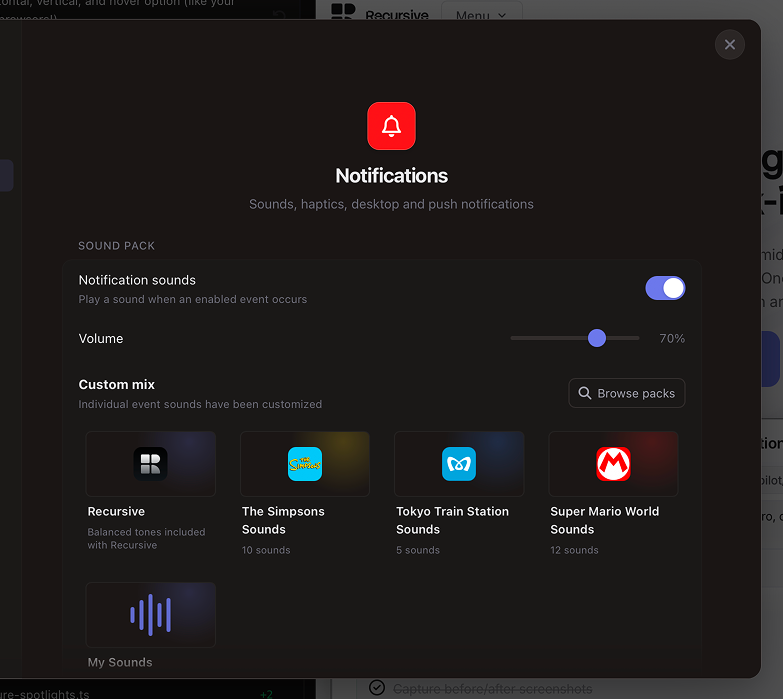
Sound packs! Pick a ready-made sound pack or bring your own, then give each notification its own chime — a turn kicking off, a turn finishing, something that needs you, an error, or opening the app. Add more packs the same way you add any other plugin, and your new sounds show up right in the picker.

Notifications settings showing the sound pack picker with built-in and custom packs like The Simpsons, Tokyo Train Station, and Super Mario World

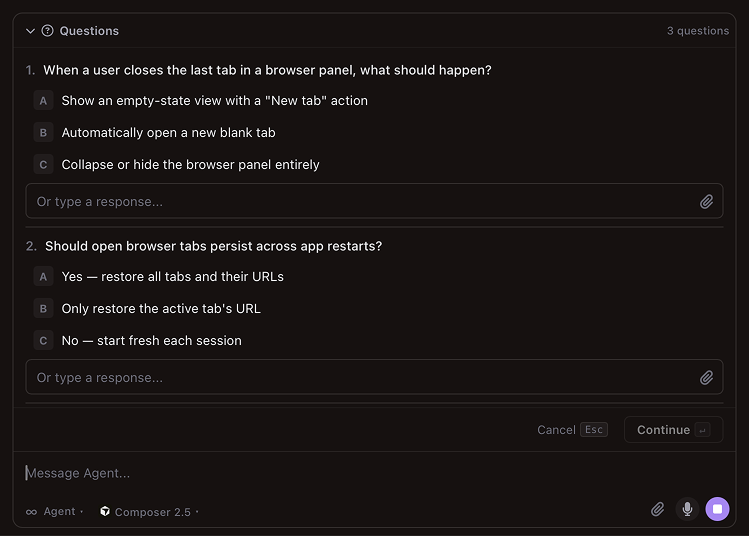
Answer with more than text. When an agent asks you a question, you're no longer stuck typing a single line back. Attach extra context and mention files right alongside your answer — paste a stack trace, drop in a screenshot, or reference the file that makes your point — so the agent picks up exactly where you mean.

An agent question card with multiple-choice options and a response box that accepts attachments

Also in this release:

  • Grok joins the lineup — set up xAI's Grok Build as an agent, just like any other.
  • Reveal in Finder, and mark unread — jump from a workspace straight to Finder, and flag sessions to come back to later.
  • Steadier long sessions — quiet chats now rest instead of holding on to resources, and session counts stay honest even after things sit idle.
  • A snappier workspace — checking git status no longer slows things down, and licenses respect their expiry date exactly.
Early Access

v0.1.24 — Guided adapter setup with CLI readiness probes and inline model management

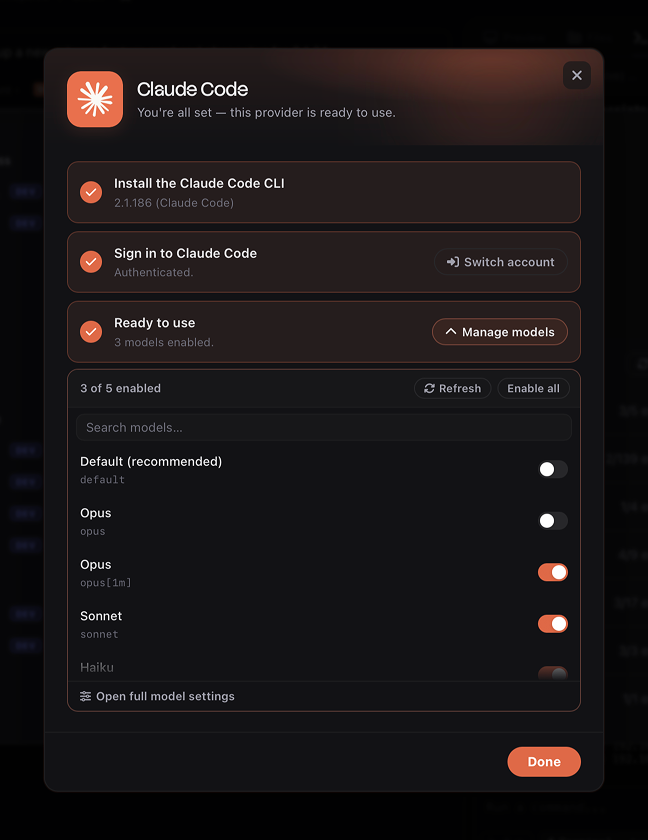
Set up a provider in one place. Each adapter now has a guided setup modal that walks you from zero to ready: it probes the provider's CLI through a login shell to confirm it's installed and reports the detected version, runs sign-in in an embedded terminal so you never leave the workspace, and surfaces a live readiness state once you're authenticated. Plugins declare their own install command, version probe, and setup sequence, so the same flow lights up for every provider — and first-run onboarding uses it too.

Adapter setup modal showing CLI install, sign-in, and inline model management for Claude Code

Manage models without opening settings. The "Ready to use" step expands into an inline model list right inside the setup modal. Search the available models, toggle the ones you want on or off, refresh the catalog, or enable everything at once — the header keeps a running "N of M enabled" count, and "Open full model settings" is one click away when you need the complete view.

Also in this release:

  • Dotfiles show up in file trees — git-backed tree listings stop hiding dotted directories, so .github, .claude, and other config folders appear where you expect them, with hidden-entry handling centralized so the FileTree matches the server.
  • Stop truly stops the terminal — pressing Stop while a terminal session is running stops it immediately.
Early Access

v0.1.23 — First-run polish, a faster New Session shortcut, and opt-in bundled plugins

New Session is now Cmd+T. The "New Session" shortcut moves from Cmd+Shift+R to Cmd+T across the command palette, the sidebar, and the keyboard-shortcuts list, with the welcome inbox and shortcut reference updated to match.

Bundled plugins are opt-in. Bundled integrations are discoverable in the marketplace but stay inactive until you install them — the same opt-in model adapter plugins already use — so a fresh install only loads what you turn on.

Also in this release:

  • Onboarding cleanup — Provider selection starts empty so you pick exactly what you want, and creating a project mid-onboarding now selects it reliably even when the project list is still refreshing.
  • Models settings — switching adapters auto-refreshes the model list with a "Discovering models…" state, and concurrent refreshes can no longer leave the spinner stuck
Early Access

v0.1.22 — Platform-wide search with timeframes and a global terminal sheet

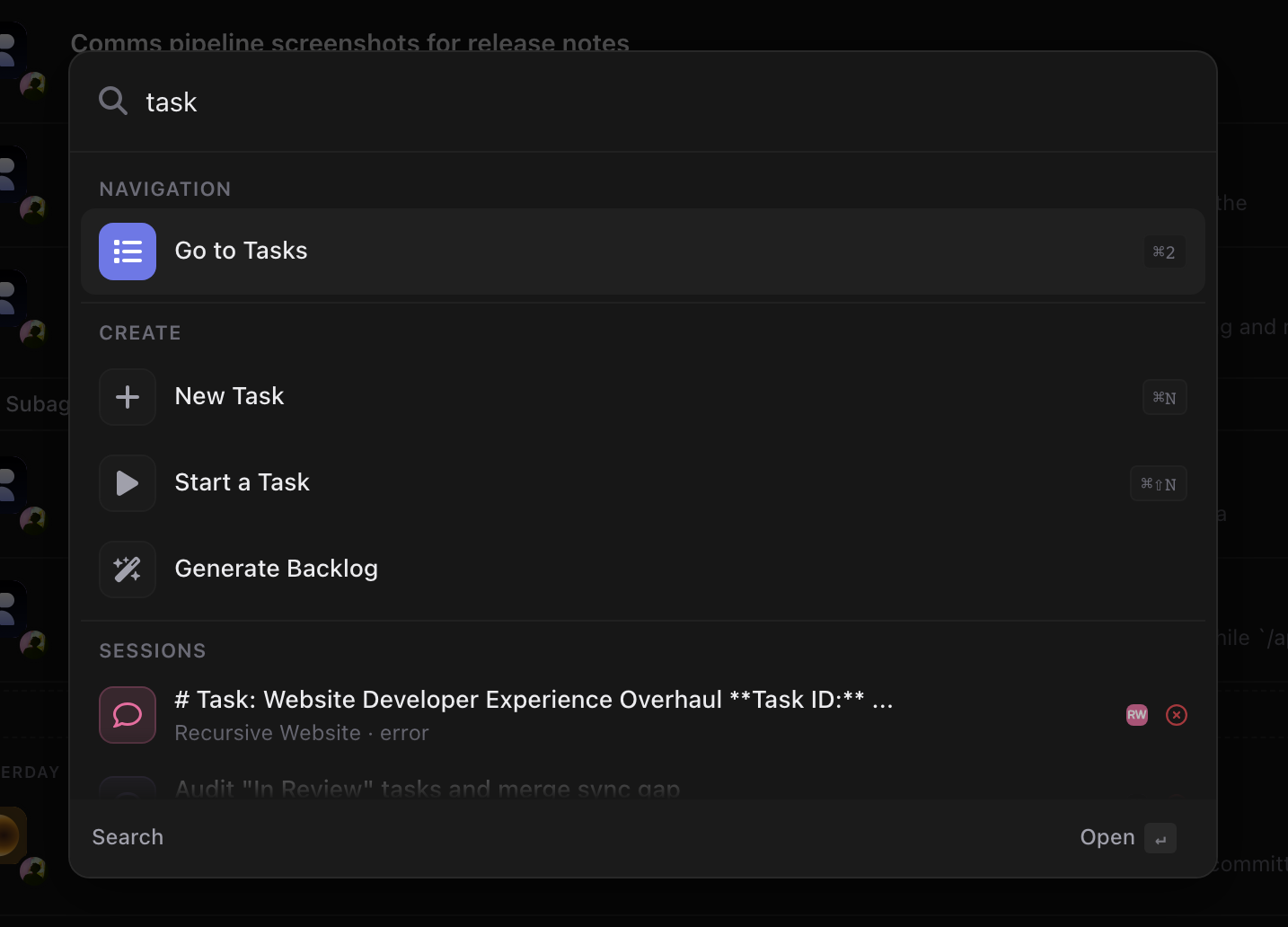
Search your whole workspace. Agents now have a unified search tool that ranks matches across sessions, tasks, inbox messages, automations, and plugins on the server, using hybrid keyword and semantic retrieval. Pass a timeframe like this_weekend or last_7d (or explicit after / before dates) to narrow results to a window — handy for "what did we ship last week?" without scrolling through every session.

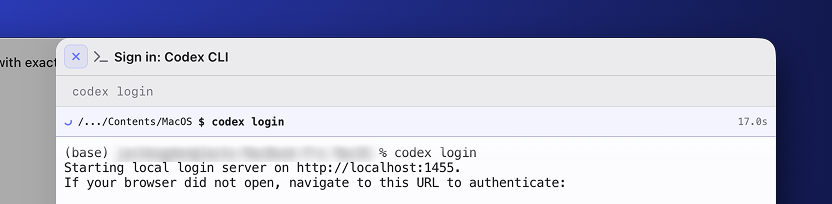
Sign in without leaving your flow. A new global terminal panel floats over any page when a provider login, setup step, or inbox auth recovery is needed. Plugin cards, settings rows, git credential errors, and MCP failures all surface the same one-click pill; the sheet runs the declared command in a live PTY and closes the loop when it exits cleanly — resuming the paused session or retrying the failed operation automatically.

Global terminal panel for Codex CLI sign-in

Also in this release:

  • Milestone orchestration — parent-task orchestration can group subtasks into phases and hold the next batch until a deliverable's validate_command passes against the integration branch
  • Session livenesssession_status now exposes heartbeat age and a health_state (working, stalled, zombie) so polling agents can tell a silent session from a dead one
  • Faster embeddings — the semantic search index runs its ONNX model in a worker thread so indexing stays off the main server loop
Early Access

v0.1.21 — Search inside sessions and new interactive cards

Search inside your sessions. The command palette now searches the content of your work, not just titles — keyword matches inside session messages and plan sections surface as you type, backed by a new semantic transcript and plan index on the server. Pick a hit and the chat feed scrolls straight to the matching turn, so finding "that thing the agent said three sessions ago" no longer means scrolling.

Interactive cards in the feed. When an agent running in terminal mode hits an interactive prompt — a select, a confirm, or a question — it now appears inline as an interactive card instead of being stranded inside the terminal. Your answer is injected straight into the server-owned shell, so the session keeps moving without you switching surfaces. Resolved cards collapse once answered to keep the feed tidy.

Also in this release:

  • Edit Models shortcut — jump straight to model configuration from the model picker
  • Mobile & theme polish — settings rows stack their controls below labels on narrow screens, the account button reads as a full pill, the iOS safe-area strip tracks your theme background in standalone/PWA installs, and the lock icon renders correctly again
Early Access

v0.1.20 — A rebuilt commit panel, tags and priorities, and Material file icons

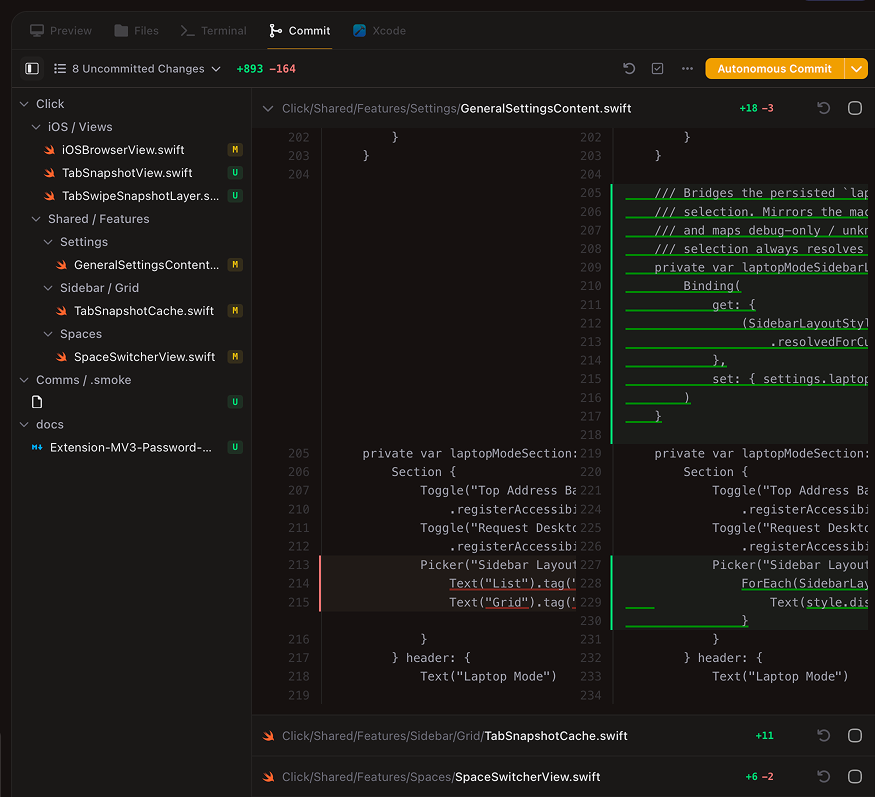
A rebuilt commit panel. Source control gets a real editor experience: a new split and unified diff with inline merge view, staging controls that let you stage and unstage by file, and a changes sidebar so you can move between files without losing your place. Reverts confirm before they touch your tree.

Rebuilt commit panel with new diff and staging controls

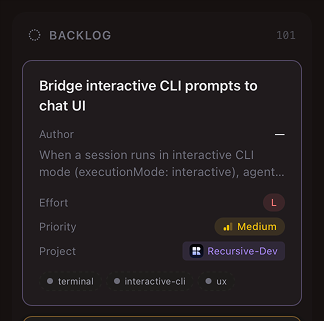
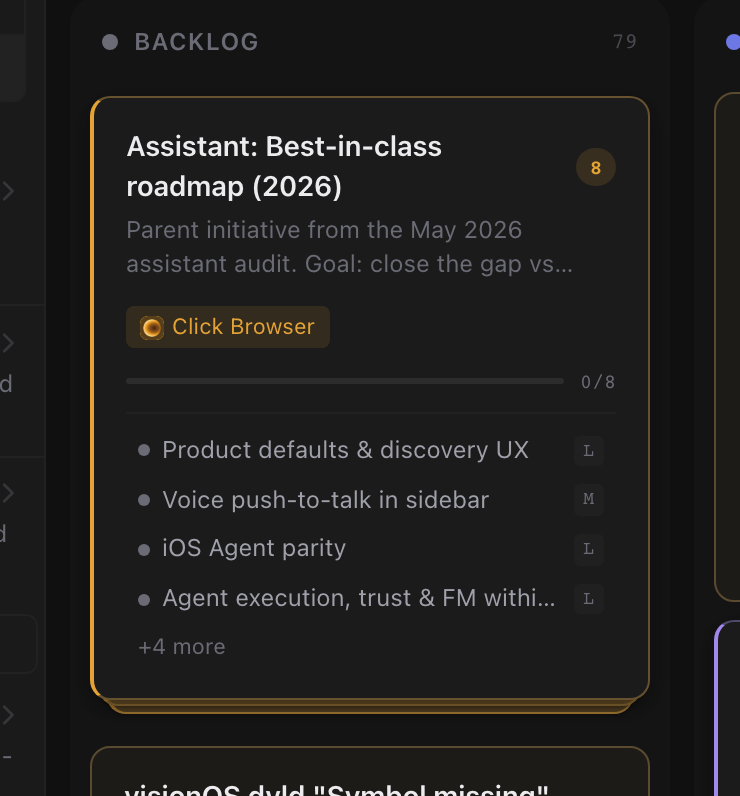
Tags, priorities, and due dates in the backlog. The backlog is now a proper planning surface. Add tags from a picker backed by a new workspace tag entity, set status and due dates inline, and reach for due-date quick picks instead of typing. Tasks sort by priority and then due date — the old score fields are gone — and a unified display menu lets you control grouping and visible properties from one place.

Inline backlog editing with tag picker, status icons, and due-date quick picks

File-type icons. File trees and commit lists now have rich icon support, so languages, configs, and assets are recognizable at a glance instead of a wall of identical glyphs.

Quicker ways to create. Create shortcuts are streamlined across the shell, and a dedicated mobile quick-create sheet puts new sessions, tasks, and projects one tap away.

Mobile polish. Tab strips get haptics and scroll shadows, prose inputs respect mobile autocorrect and input hints, and the connection screen gains a sheet handle.

Also in this release:

  • Steadier reconnects — the shell bounds boot-time server fetch probes and re-checks auth during a stranded SSE reconnect instead of hanging
  • Fewer spurious toasts — background session reaps and already-finished chats no longer fire "Session complete" notifications, and finished workspace chats show their completed state
  • Resume reliability — answering a user_ask resumes the session without racing the store
  • Server Health — fixed duplicate Svelte keys that could break the page
Early Access

v0.1.19 — Brand-new terminal, faster sessions, and new search

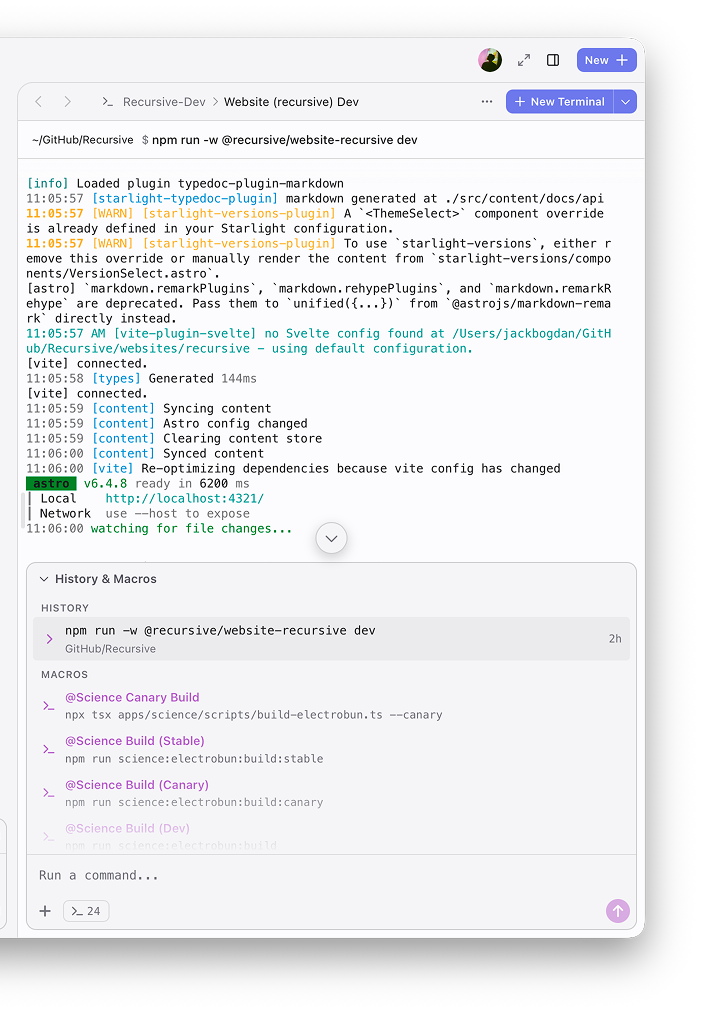
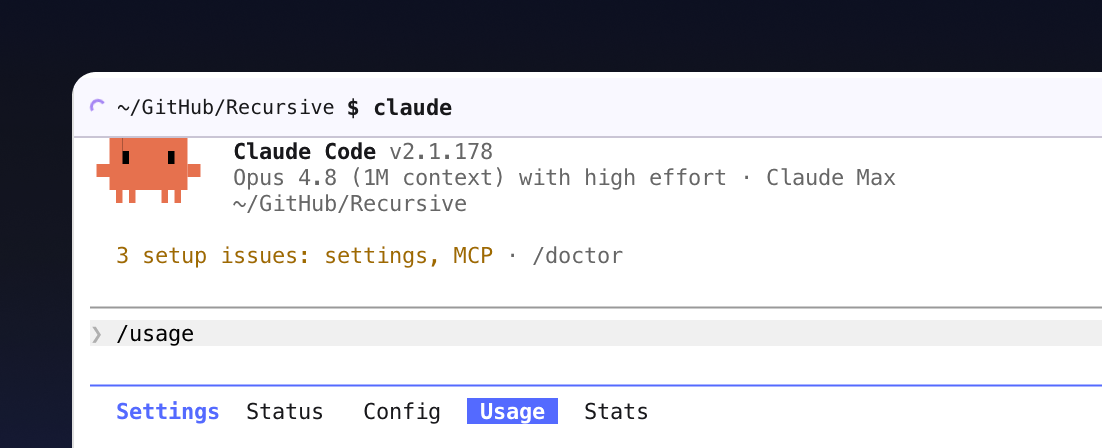
A brand-new terminal in the workspace. The Terminal panel is rebuilt around a real shell experience — scrollback you can read, clear command blocks, and a layout that matches the rest of the app. Open it from the sidebar strip when you want builds, tests, and agent commands in one place instead of bouncing to an external window.

Brand-new terminal panel running Claude Code in the workspace

A more performant terminal. The panel is faster to open and easier on your machine while jobs are running — less visual churn, smoother updates, and history that stays put when you switch sessions.

Faster sessions. Long conversations no longer bog down the UI. The chat feed loads turns on demand, markdown appears incrementally as the agent types, and the server paces updates so a busy project stays responsive.

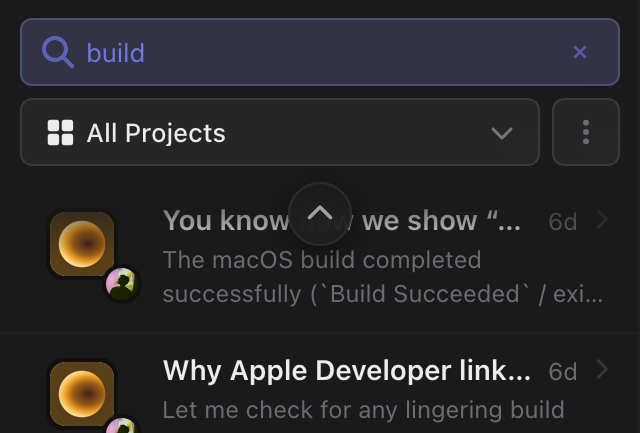
Search archived sessions. Need an old run? Turn on archived search in the sessions sidebar to find completed and archived sessions by name — without leaving the workspace.

Sessions sidebar with archived search enabled

Also in this release:

  • Plan threads — keep multiple plans per session, focus the one you are executing, and version plans independently
  • Recursive CLI TUIrecursive TUI for a full terminal dashboard when you want agents outside the desktop shell
  • Sandbox permissions — stricter tool permission posture enforced consistently across adapters
  • code_impact tool — graph-style blast-radius analysis for agents planning larger edits
  • Reliability — connection screen recovery on reconnect, frozen-window toast after unlock, and faster boot when settings fetch is slow
Early Access

v0.1.18 — Permission control, draft attachments, and faster turns

You decide what agents can run. Permission control (beta) routes gated tool calls through an approval prompt, and a per-project allowlist lets trusted commands run without interrupting you. Approvals hold mid-turn now, so an agent can pause for your call and pick up exactly where it left off.

Inline tool-approval card with per-project allowlist

Stage files before you send. Draft attachments let you attach files to a chat message while you're still composing it, review them in the Edits Bar, and only commit them when you hit send. Drafts are preserved until the send actually succeeds, so a hiccup no longer eats your composer.

Faster follow-ups. Warm-idle session pooling keeps agents primed between turns, so your next message starts working sooner instead of waiting on a cold start.

More control over running agents. Press Escape to stop a working agent (with an optional skip-confirm), usage-limit detection retries with a model fallback instead of stalling, and a corrupt resume now hands off to a fresh session on the same model rather than dropping the run.

Onboarding & telemetry. First-run setup gets a provider grid and an opt-in for anonymous error and usage reporting, so you can help us catch crashes and rough edges — entirely on your terms.

Plugins & reliability. Richer plugin manifests power a fuller plugin detail panel, workflow and permission cards render inline in the feed, and wedged reconnects now escalate while the boot UI waits on the initial load instead of flashing a half-loaded state.

Early Access

v0.1.17 — Project preferences, agent identity, and a recoverable trash

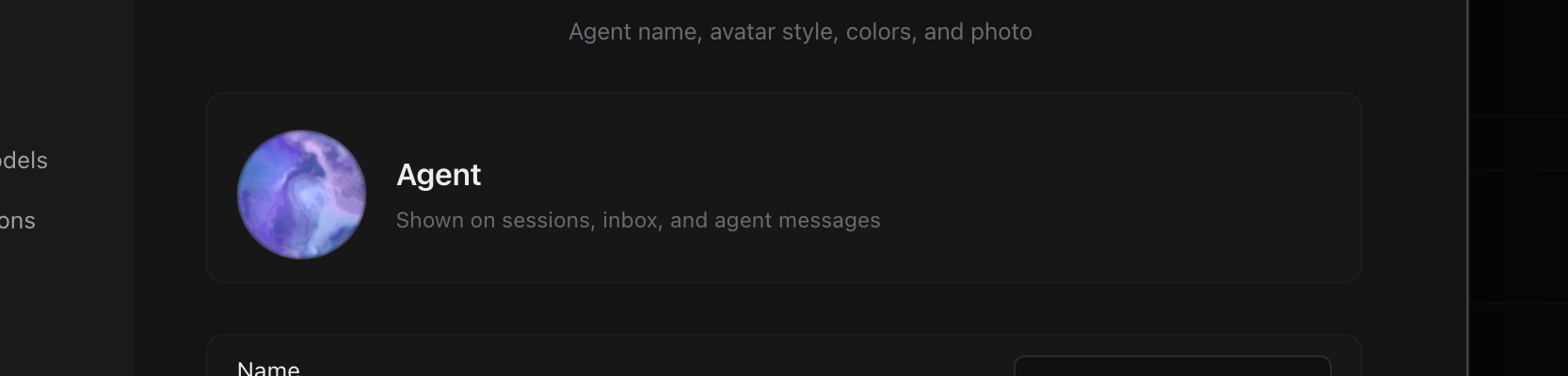
Make it yours. Agent identity is customizable — name, role, and an interactive avatar from Settings — and the panel layout now persists per project instead of per worktree, so switching branches doesn't reshuffle your panes.

Custom agent name, avatar, and orb styling

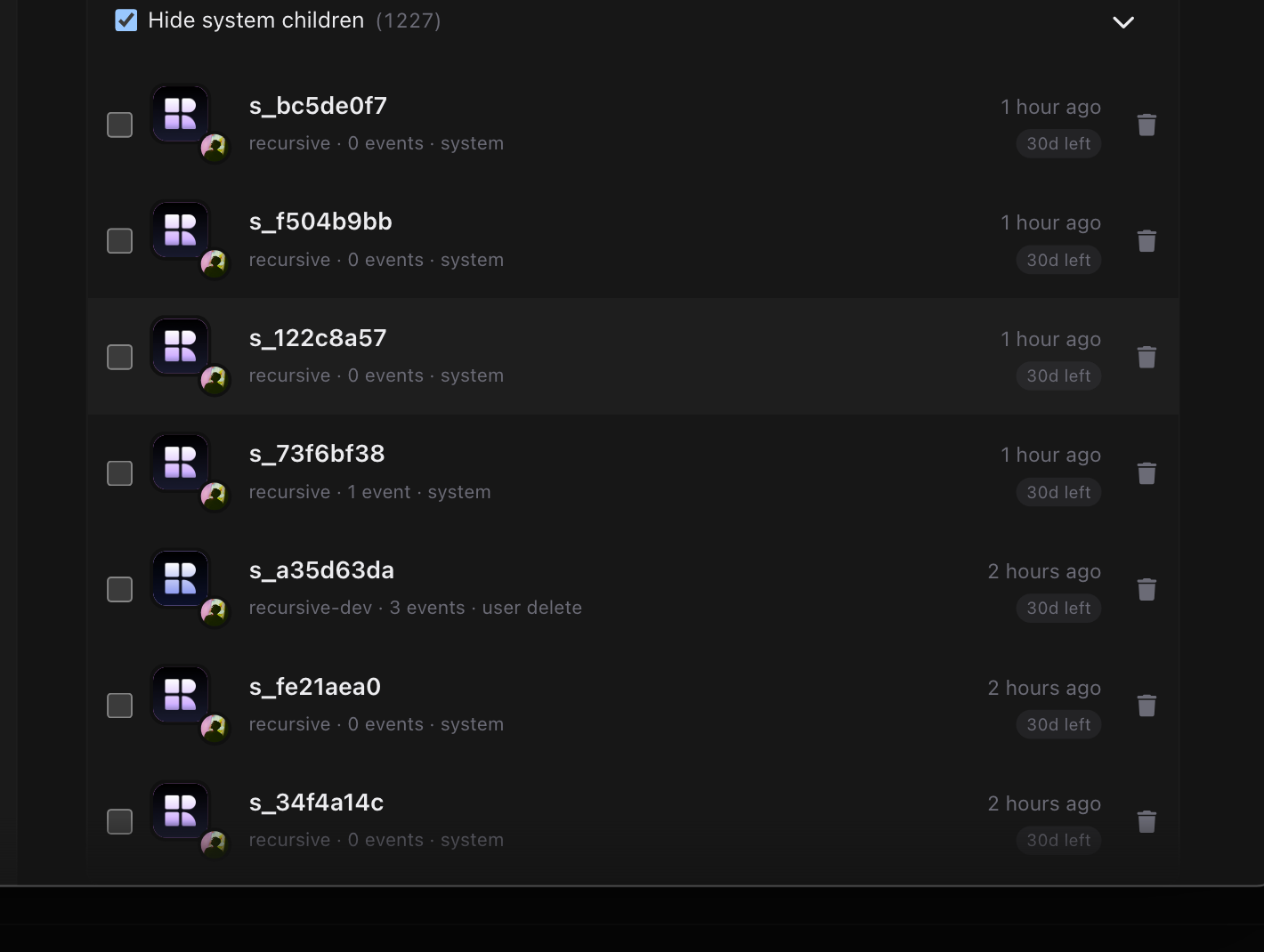
Sessions have coverage. The worktree watcher now picks up commits made from a terminal, so out-of-band work doesn't quietly vanish. The new Trash is a dedicated space for immediately regrettable deletions, which then auto-delete in 30 days.

Recoverable session trash with retention controls

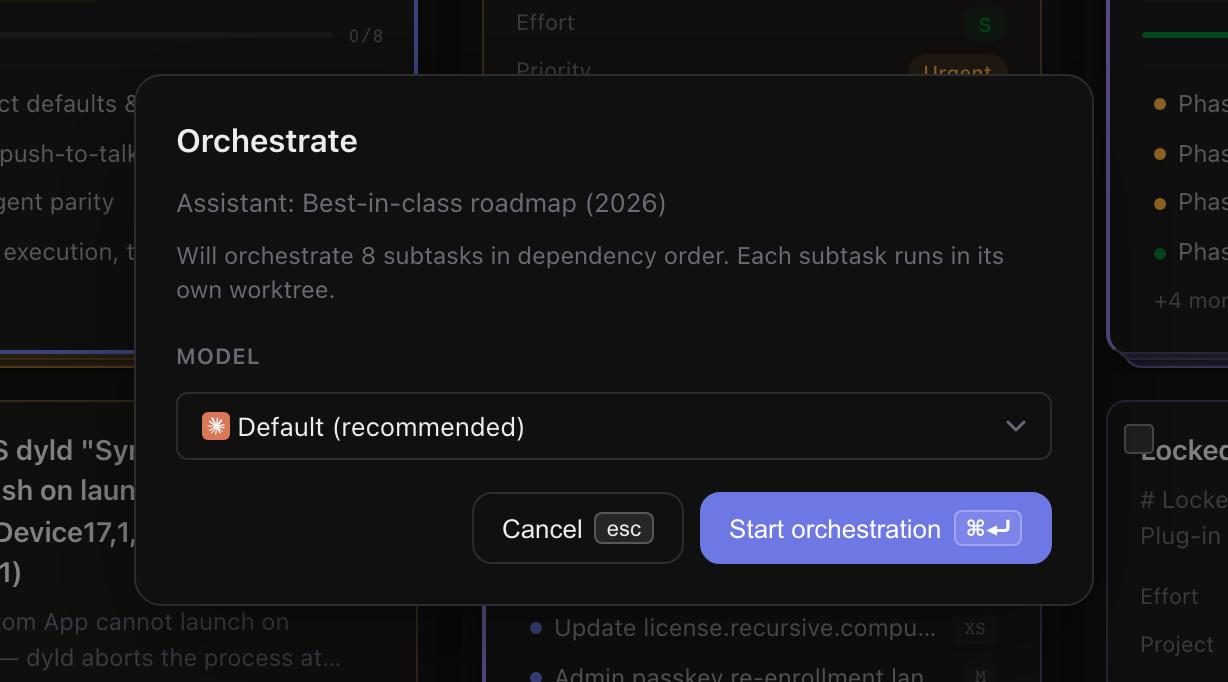
Subagents wait properly. Waiting for subagents is non-blocking through the internal API, parent runs hold on a subagent completion guard instead of spinning, and orchestration parents now branch into orchestration/* so epic merges keep their shape.

Build scope picker for parent tasks and subtasks

New adapters and plugins. Cursor Agent SDK joins the lineup as a first-class adapter. An early look at the Computer-use plugin for macOS lands on the marketplace.

Reliability. The sidebar and inbox now paginate properly, scroll-to-load works, and the active-count drift in the sidebar is fixed. Server wiring for SDK adapters and SSE is in, agent streaming and stop-run behavior are more predictable, the session model is preserved across resume/wake, and the command palette feels less twitchy.

Polish. Row clicks no longer leave text highlighted on release; selection is tinted with your accent color.

Early Access

v0.1.16 — Task orchestration and in-app code search

Task orchestration Parent tasks can fan out subtasks with dependency-aware batches and merge tracking instead of the old missions plugin. Due dates land on backlog items, and plan checklists dedupe cleanly during an executing plan.

Parent task card with subtask orchestration on the board

Sessions are easier to follow. Turn summaries and a summary agent keep long runs scannable. The sidebar groups sessions by last activity, multiple thinking blocks render per turn, and switching runs refreshes stale session data instead of showing a ghost state.

Code search works out of the box. The desktop build ships typescript-language-server so symbol lookup and references work out of the box — no global LSP install required.

Command palette with project-wide symbol search

Workspace & chat polish. @-mentions can pull browser element refs into chat. Project modals and File Tree search behave correctly. Chat cards, tooltips, and plugin badges got an animation pass.

Also:

  • Build and Plan cards only render when anchored to the active session plan
  • Cursor adapter normalizes thinking events from stream-json output
  • Packaged app paths resolve to the platform project so agents find the right tree
  • MCP delegate calls reject unexpected run body fields
  • Default project icon set
Early Access

v0.1.15 — Workspaces, plugins, and a much better chat

Workspaces feel quick. Switching projects no longer reloads the page, and every surface gently tints to the project's accent color. The composer has a proper @-mention bar for pulling in files, tasks, or sessions, and the shell quietly refreshes views when your worktree changes underneath you.

Sessions got a cleanup. Tool results render through one consistent card, sequential edits to the same file collapse into a single diff, and long shell output now has a dedicated full-output viewer that updates live. Sticky auto-tail keeps you pinned to the bottom while a command is running.

Terminal expanded. Cross-project tabs, a macro launcher, a tabbed history that splits recent commands from saved macros, and up-arrow to recall the last thing you sent.

New plugins. Most of what was scattered across config folders now lives in proper plugins you can browse, toggle, and update. GitHub Copilot CLI joins Claude Code, Cursor, Codex, and Gemini as a first-class adapter.

Inbox. Opens to the first message automatically. Status dots only light up when there's something actually unread.

Also:

  • Xcode plugin: refreshed tray icons and per-project custom build commands
  • Voice dictation in chat works again
  • The updater stopped telling you there's an update when there isn't
  • Auth tokens now reach per-adapter MCP servers correctly
  • Queued agent runs survive a session finishing
  • File previews work for paths outside the project when you open them explicitly
Early Access

v0.1.14 — Multiple windows, stacking plans, and a friendlier first run

First run is no longer a blank screen. The wizard offers tap-through actions to import a project, set up your adapter, or just open the workspace. Themes are now switchable right from the sidebar — no Settings detour.

Subscriptions stack. If you're on more than one plan, features and entitlements add up instead of overwriting each other, and your license key stays the same across plan changes. Pricing on the site has been updated to match.

Also:

  • Caret placement is correct in browser-view text fields again
  • Mobile user-agent spoofing actually applies when you toggle it on in browser preview
  • Long waits no longer get misclassified as stalled
  • Large responses through the tunnel relay no longer truncate
Early Access

v0.1.13 — A real file editor, custom themes, and faster everything

The file viewer is now a real editor. Syntax highlighting, proper edit handling, and a conflict resolver when two changes land at once. Pending diffs live in a new Changes tab.

Custom themes. Save your own, rename them, delete them, drag them into the order you like. There's a dedicated Theme Editor sub-page in Settings.

Remote sync survives crashes. The mutation queue persists across restarts, with a Pending Sync panel that shows you what's waiting. End-to-end encryption got a round of hardening so transient failures and concurrent rekeys don't drop you.

The whole app feels faster. Chat paints instantly with on-demand history paging, large session histories cost less server I/O, and Server-Timing in DevTools lets you actually see where time goes. The Electron shell now supervises the backend and restarts it if it crashes.

Website refresh. A new animated 3D hero on the homepage, docs moved to /docs, and a dedicated releases page (you're reading it).

Also:

  • Agent questions now surface as a toast instead of getting buried in chat
  • Fullscreen state syncs reliably on macOS
  • Lingering agent processes get cleaned up after their turn ends
  • Stdout from adapters is capped at 32 MB so a runaway tool can't eat memory
  • Diagnostics now write to settings/diagnostics
Early Access

v0.1.0 — First canary build

Recursive is a real desktop app now. Native on macOS, Windows, and Linux, with a proper installer, code signing on macOS, and an auto-updater that keeps you on the latest canary.

Autonomous agents, out of the box. Create sessions, hand off tasks, watch them run in real time. Workflows let you define multi-step pipelines in markdown and run them inline or in isolated worktrees.

A backlog that thinks like you do. Full task lifecycle from triage to done, with dependencies and parent/child relationships.

Plugins from day one. Install, configure, and manage extensions that add tools, skills, rules, and UI. 100+ MCP tools ship in the box for agents to drive everything programmatically.

This is canary — expect rough edges. Windows and Linux builds aren't signed yet, so you'll see an OS warning on first launch.

Thanks for being here early!